Freight services significantly ensure consumers get all the demanded and ordered goods from online stores. Industry transports all goods from bulk, fragile, perishable, luxury, consumer goods, etc. It is a complex web and chain that connects cities, continents, and nations to ensure continental trade and that people can order goods from anywhere.
Major online freight services use transport such as trucks, vans, planes, ships, and trains to ensure consumers get all the goods on time and meet the demand and supply needs in various regions. However, the sector is currently undergoing changes mainly triggered by economic issues, climate change, and consumer preferences. Here are some industry trends to watch in the next ten years.
1. Digitalization And Technologization
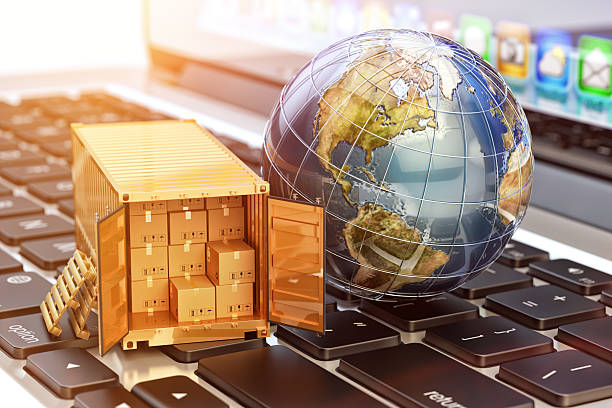
The freight industry reforms are moving towards automation due to the increased impacts of e-commerce on online freight services. Online freight services use technology for various purposes, such as organizing freight services, monitoring the freight, and optimizing the freight services.
Technology plays a significant role in shaping the freight industry and will likely take a front role. One of the roles and technologies likely to be at the helm of control is electric cars and automated cars. Companies like Tesla are at the forefront of producing electric trucks embedded with various technologies to help digitalize the company. Some areas currently using automated freight services are the shipping companies and port services, which rely on trucks to boost the freight services in ports.
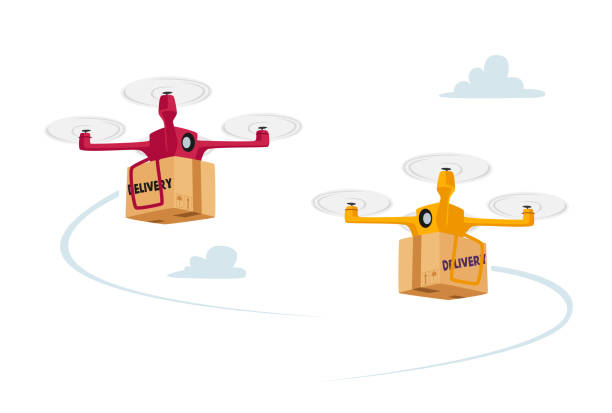
The technologization of the sector is driven by IoT and data analytics, which helps in problem-solving through automation and artificial intelligence. This involves using cloud services, robotics, and machine learning to boost digital freight services. One reason for digitalization is to boost door-to-door delivery services using precision and delivery systems like drones. In the future, we will likely see drones and robots accomplish last-mile product delivery to customer doors.
Technology will also be significant in areas such as scanning the freights at major stops and check. Authorities and regulators are increasingly concerned about the use of freight services to transport drugs included in the shipments. These scans will likely be modified and integrated into products such as drones and intense x-ray systems to scan the freights at major stops.
2. Cost Reduction Strategies
The freight services will likely face significant cost issues in the future due to rising economic and financial challenges. Freight companies do not have the luxury of laying off employees since they need all the employees to stay competitive. Therefore, these companies must focus on cost-reduction strategies to address current challenges.
Cost-reduction strategies are necessary due to the increased operational costs. One of the costs affecting freight services is fuel costs which are currently rising due to fuel shortages in many countries. Strategies companies are currently deploying to reduce such costs are relying on electric and hydrogen fuel trucks. These trucks are ideal for cost-saving since they do not require frequent repairs, reducing maintenance costs.
In the future, companies are also likely to deploy high-end and AI-based GPS tracking systems to help with needs such as data collection and analytics. The tracking systems will help the freight companies reduce costs through route scheduling hence shortening delivery speed. They can also help monitor driver behavior to avoid accidents affecting insurance, legal and compensation costs.
3. Sustainability Standards and Practices
Climate change and global warming are affecting major companies' services, including freight services. Freight companies are among the leading companies in increasing the global carbon footprint. This is due to the increased vehicles such as trucks, vans, and other transport services such as trains and flights. Currently, all the companies are deploying all these freight services and strategies to boost operations and profitability to boost logistical speeds and deliveries.
The industry has a massive impact on the environment, and the criticism is rising; hence most are focusing on going green to reduce their carbon footprint. Going green will be a competitive advantage in the future; hence, most companies are currently investing in sustainability programs. As one of the leading energy consumers and sectors dependent on fossil fuels, most companies currently have plans to go electric and explore other strategies such as cleaner fuels such as hydrogen fuels.
Air cargo freight services are also intensifying their services and sustainability standards. One of the programs is investing in energy-efficient cargo planes and eliminating the backlog of high fuel-consuming planes, including the old fleet.
4. Impact of Warehousing
Most freight companies, especially online freight for e-commerce companies, invest in warehousing to stay competitive. Commonly called fulfillment centers, companies are creating open and multipurpose warehouses in different cities to reduce the distance covered by trucks and carbon footprint.
These warehouses can be shared by other online freight services and e-commerce companies that use one freight service to deliver products. The increased number of warehouses reduces delivery speeds and avoids product shortages which can sometimes lead to long-distance product transportation. These fulfillment centers also serve as stores for products to help fulfill the demand and supply prediction by the company. Major freight services, such as Amazon, DHL, FedEx, Walmart, eBay, and Alibaba, are all racing to have more fulfillment centers closer to cities to meet all freight demands.
5. Multi-freight Services
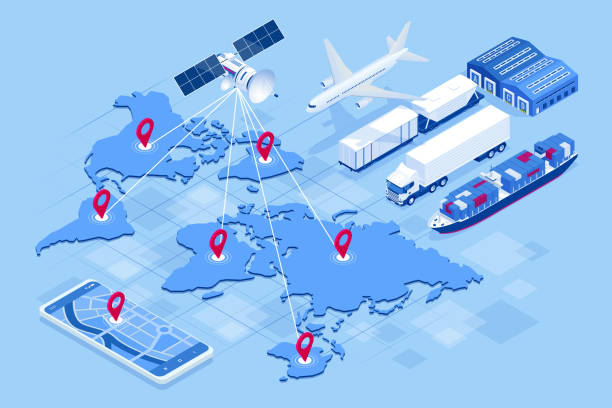
The global freight system consists of a chain of players playing different roles. The main players include air, train, truck, shipping, and van services. The vans are mainly suitable for last-mile services like door-to-door services. Air cargo is suitable for fragile, valuable goods needed over long distances. Shipping is good for continental shipping needs, especially for bulk products, and is currently an area of interest for e-commerce services.
Air cargo also serves global and continental needs but for lighter cargo. Trains are suitable for regions connected by rail and also for bulk transports. They are ideal for cost saving. The trucks are good for the services to meet city-to-city or warehouse fulfillment needs. Today and in the future, freight services will use all four services at any point because of cost-saving concerns, faster deliveries, and meeting all customer needs.
Conclusion
The future of freight services will mainly focus on excellent customer services, cost-saving, digitalization, and sustainability. These are the major concerns for the companies to remain competitive, appeal to their customers, and preserve the environment. In the future, the industry will focus on technology and innovation for data analytics, cost saving, and improving service delivery.